
Française
This is not a good time
What is travellers’ diarrhea?

Travellers’ diarrhea is the most common illness experienced by travellers.

You can be affected by travellers’ diarrhea anywhere in the world, but it’s especially common in those travelling to developing areas like the Caribbean, Mexico, Southeast Asia, Latin America, and Africa, and in Eastern and Southern Europe. Studies have shown that nearly half of people travelling each year to developing countries experience travellers’ diarrhea.

Travellers’ diarrhea is most commonly caused by enterotoxigenic E. coli (ETEC). You can get it by eating food or drinking water that is contaminated. It can also spread easily from person to person. Travellers’ diarrhea normally lasts approximately 3.5 days. A mild case can cause you to feel unwell for a few days while a severe case could leave you spending part of your vacation in bed.

After encountering ETEC, you can start to experience symptoms of travellers’ diarrhea within 24 hours. These include:

  • 3 or more loose stools in a 24 hour period, along with at least one of the following:
    • nausea
    • vomiting
    • abdominal cramps
    • fever
    • blood in stoolΦ

ΦPlease seek medical attention if there is blood in your stool

How do I get travellers’ diarrhea?

You can get it by eating food or drinking water that is contaminated. Contamination can result from fertilizing crops with human fecal matter or inadequate storage/transport, unreliable refrigeration, lack of pasteurization and unhygienic food handling practices.

No food group can be considered “safe” since there are many ways food can become contaminated with ETEC in the developing world. Food can become contaminated through improper or incomplete cooking methods or from standing at ambient temperatures for several hours allowing for bacterial growth. Food handlers (ex. Street vendors) or the facility where it’s been prepared can also cause contamination.

Travellers are at higher risk of travellers’ diarrhea in areas with lower standards of hygiene and sanitation or poor food handling practices.

98% of travellers have been shown to make a food or water mistake within the first 3 days of their vacation.
Are you at risk?

If you’re travelling to a developing country, you are at risk of travellers’ diarrhea.

One of the most important risk factors is geographical travel destination. So, whether you’re staying at a 5-star resort hotel, or a tiny hostel, if you’re spending time in at risk areas, you are at risk.

Global incidence of travellers’ diarrhea

Global incidence of travellers’ diarrhea

Certain people may be at higher risk of experiencing travellers' diarrhea:

  • people with gastric hypochlorhydria or achlorohydria
  • people on proton pump inhibitors
  • people with a history of repeated severe travellers’ diarrhea
  • people with immunodeficiency disorders
  • adventurous travellers
  • children∀†
  • people with a previous gastrectomy

DUKORAL® is not indicated for children <2 years of age
Children with a relative lack of gut immunity

Some travellers are at higher risk of serious complications from travellers’ diarrhea:

  • children
  • the elderly
  • people with insulin-dependent diabetes mellitus
  • people with a history congestive heart failure
  • people with inflammatory bowel disease (IBD)
  • chronic renal failure (kidney disease)

The main complication of travellers’ diarrhea is dehydration. You can lose fluids, salts and minerals during traveller’s diarrhea, which means you can become dehydrated. Mild dehydration can be treated by drinking lots of fluids, especially ones containing electrolytes but cases of severe dehydration require immediate medical treatment.

Protect yourself

You might not consider diarrhea to be a ‘serious’ illness, but even a mild case of travellers’ diarrhea can interrupt your vacation.

The effects of travellers’ diarrhea can be more than just physical. It often means missing out on activities with friends and family along with the added stress of having to cancel parts of your vacation you’ve been planning for.

What can you do?

Travellers’ diarrhea can be prevented.

You can protect yourself two ways:

1. Watch what you eat, drink and do

Don’t drink:

  • tap water
  • drinks with ice cubes
        - including alcoholic beverages served or shaken with       ice cubes
  • drinks with crushed ice

Don’t eat:

  • fruits that can’t be peeled
  • uncooked vegetables including salad
  • undercooked or raw meat or fish
  • unpasteurized or unrefrigerated dairy products
  • food sold by street vendors

Since travellers’ diarrhea can easily spread it’s important to wash your hands frequently, brush your teeth with treated or bottled water, avoid swimming in polluted or contaminated water, even wipe cans and bottles before opening them to avoid consuming bacteria.

2. Get vaccinated with DUKORAL®

Help prevent travellers’ diarrhea
Ask your healthcare professional about DUKORAL®
Why DUKORAL®?

DUKORAL® is a drinkable vaccine that helps prevent travellers’ diarrhea.

DUKORAL® is available at your pharmacy

The only oral vaccine for protection against travellers’ diarrhea, DUKORAL® is suitable for people as young as 2 years old and lasts for 3 months.

DUKORAL® is a drinkable vaccine. A full immunization requires 2 doses taken 1 week apart, with the last dose at least 1 week before travel.

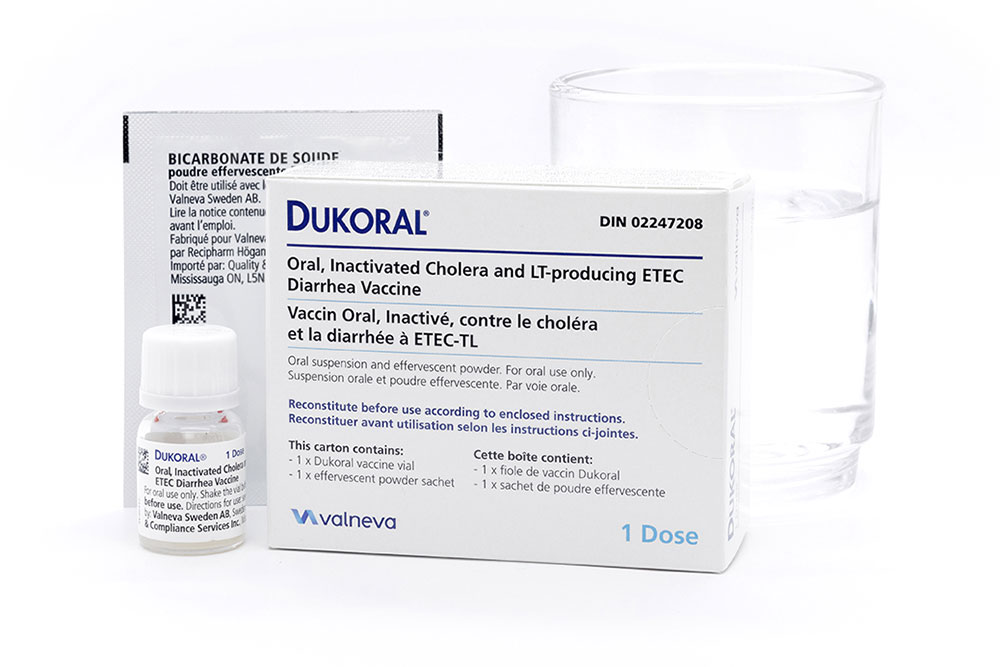
What’s in the box? #

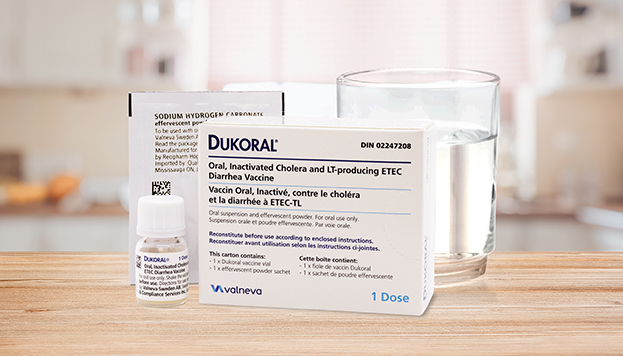
What’s in the box?*
Glass vial containing
the vaccine
Crucell
What’s in the box?*
Sachet of sodium hydrogen
carbonate powder
DUKORAL® should be kept in the refrigerator at 2-8oC

How to prepare DUKORAL®

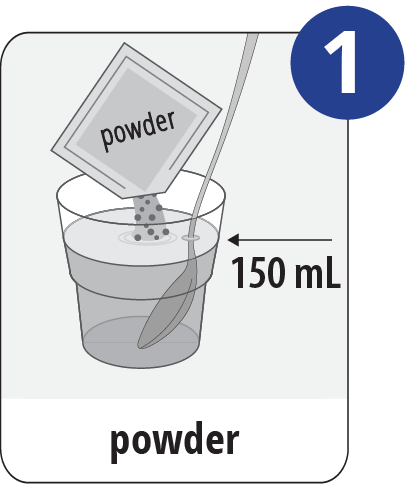
How to prepare DUKORAL®
Dissolve 1 sachet of powder in
150 mL of cool water.
Do not mix DUKORAL® with any liquid other than cool water.

For children aged 2 to 6, dissolve the powder in 150 mL of cool water and pour away half of the mixture before proceeding to Step 2.

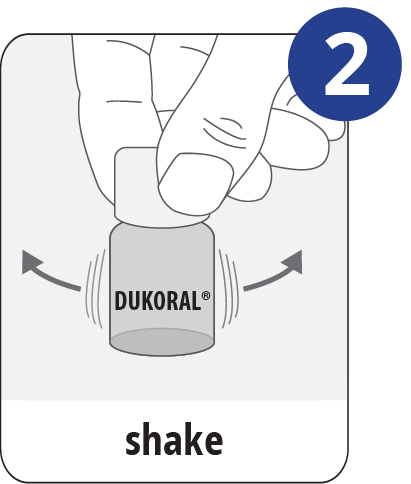
How to prepare DUKORAL®
Shake 1 glass vial so its
contents are mixed well
How to prepare DUKORAL®
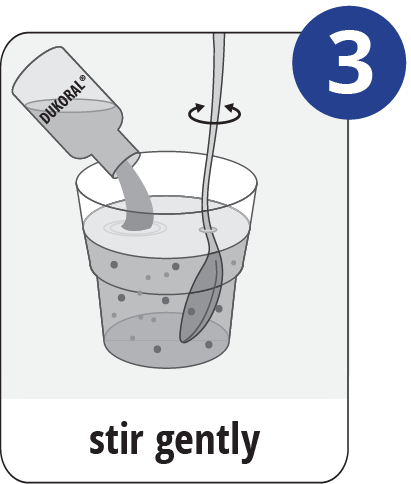
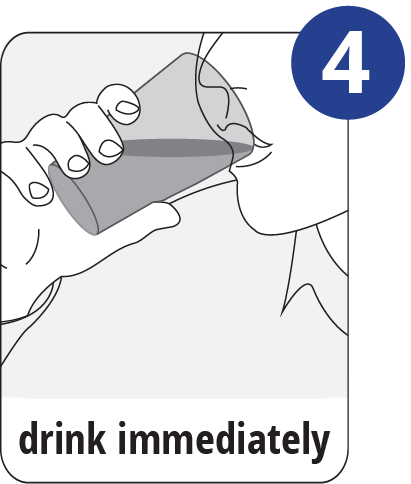
Pour the contents of the vial into the water mixture,
stir and drink immediately
Do not eat or drink 1 hour before or 1 hour after taking DUKORAL®

When to take DUKORAL® for travellers’ diarrhea

Taking DUKORAL® for the first time

Adults and children 2 and older

When to take DUKORAL® for travellers’ diarrhea

2 doses 1 week apart

Protection starts 1 week after the 2nd dose and lasts for 3 months

DUKORAL® Booster

DUKORAL® Booster

If you’ve taken DUKORAL® in the last 5 years a single dose will renew your protection

#A single-dose DUKORAL® Booster format is also available


Cholera protection

DUKORAL® provides effective protection against cholera.

Cholera is an acute infectious disease of the intestines that is acquired by consuming water or food contaminated by a particular type of bacteria called Vibrio cholerae. Cholera can cause severe diarrhea and dehydration.

It occurs most commonly in regions of the world where there is inadequate sanitation, poor hygiene, overcrowding and a lack of safe water and food. Travelling to regions like Africa, Asia and regions in Central and South America can put you at risk of cholera.

DUKORAL® is indicated for protection against cholera

Taking DUKORAL® for cholera

Adults taking DUKORAL® for the first time

Adults and children 6 and older

Taking DUKORAL® for cholera

2 doses 1 week apart

Protection starts 1 week after the 2nd dose and lasts for 2 years

Children taking DUKORAL® for the first time

Children 2 to 6 years old

Taking DUKORAL® for cholera

3 doses 1 week apart

Protection starts 1 week after the 2nd dose and lasts for 6 months

DUKORAL® Booster

DUKORAL® Booster

If you’ve taken DUKORAL® in the last 2 to 5 years, a single dose will renew your protection. If more than 5 years has passed since your last dose, you should have the primary immunization again.

For children 2 to 6 years old

If the last dose of DUKORAL® was taken between 6 months and 5 years before, a single dose will renew protection. If more than 5 years has passed, primary immunization is recommended.

*A single-dose DUKORAL® Booster format is also available


FAQs

Do I need a prescription for DUKORAL®?

If you are taking DUKORAL® for travellers’ diarrhea, no. In most parts of Canada, it doesn’t require a prescription when taken to help prevent travellers’ diarrhea. It’s available at your pharmacy, so ask your healthcare professional about DUKORAL® before you go.

If you are taking DUKORAL® for cholera it does require a prescription.

Who should take DUKORAL®?

DUKORAL®is indicated for the prevention of travellers’ diarrhea and/or cholera for adults and children 2 years and older who will be visiting areas where there is a risk of contracting travellers’ diarrhea caused by enterotoxigenic E. coli (ETEC) or cholera caused by V. cholerae. DUKORAL® can be taken by nursing mothers, older adults, and those with a compromised immune system, including those who are HIV-infected, however they may not obtain the expected immune response.

Who shouldn't take DUKORAL®?

DUKORAL® is not recommended for

  • use in pregnancy, as the possible effects on the unborn child have not been evaluated.
  • travellers experiencing any acute illness, including acute gastrointestinal illness or fever
  • allergy to any component of DUKORAL®

How do I take DUKORAL® to make sure I'm protected?

It is very important to carefully follow dosing instructions for DUKORAL® to make sure you are protected. This includes both how to prepare DUKORAL® and when to take DUKORAL®.

Along with taking DUKORAL®, it’s important to use care in your choices of food and water, and to follow good hygienic practices.

How long does protection with DUKORAL® last?

Protection against travellers’ diarrhea caused by enterotoxigenic E. coli (ETEC) and cholera can be expected to begin about one week after the last dose.

Protection against travellers’ diarrhea caused by ETEC lasts for 3 months.

Protection against cholera lasts 2 years for adults and 6 months for children 2 to 6 years old.

Can DUKORAL® cause any side effects?

The side effects of DUKORAL® are usually mild.

The most common side effects are gastrointestinal upsets, such as abdominal pain, diarrhea, nausea or vomiting, due to the bicarbonate buffer used with this vaccine. Some people who receive DUKORAL® may feel feverish. Potentially serious side effects (e.g., dehydration, shortness of breath) are extremely rare.

This is not a complete list of side effects. For any unexpected effects while taking DUKORAL®, contact your doctor, nurse or pharmacist.

Help prevent travellers’ diarrhea

DUKORAL®
Download our complete consumer information to learn more

Download our complete consumer information to learn moreDUKORAL Consumer Information


FREE DUKORAL® APP

Download the free DUKORAL® app to your Smartphone. Simply input your selected date of travel and the DUKORAL® app will calculate the dates for pre-departure doses, as well as send you a reminder for your immunization boosters.

DUKORAL® is an oral vaccine that does not require injections.

Primary immunization

Adults and children over 2 years of age should drink:

  • 2 doses
  • 1 week apart

Protection starts 1 week after the 2nd dose

Protection lasts 3 months

Immunization booster to help prevent travellers' diarrhea caused by ETEC (enterotoxigenic Escherichia coli).

Within 5 years of primary immunization a single dose of DUKORAL®, one week before travel, will renew protection.

DOWNLOAD FREE APP

References

  1. Crucell Vaccines Inc. DUKORAL® Product Monograph, August, 2011.
  2. Public Health Agency of Canada. Travellers’ Diarrhea. www.phac-aspc.gc.ca/tmp-pmv/info/diarrhea-eng.php Accessed August 16, 2011.
  3. Canadian Paediatric Society. www.caringforkids.cps.ca/whensick/DehydrationDiarrhea.htm Accessed August 16, 2011.
  4. Public Heath Agency of Canada. Protect yourself from food-borne and water-borne illnesses. http://www.phac-aspc.gc.ca/tmp-pmv/food_water-aliments_leau-eng.php Accessed June 17, 2001.
  5. Committee to Advise on Tropical Medicine and Travel (CATMAT). Canada Communicable Disease Report. Volume 27, March 15, 2001.
  6. Steffen, R. et al. Manual of Travel Medicine and Health. Hamilton, ON: BC Decker Inc; 1997:394.
  7. Stermer E et al. Is travellers’ diarrhea a significant risk factor for the development of irritable bowel syndrome? A prospective study. Clin Infect Dis. 2006;43(7):898-901.
  8. Kozicki M et al. 'Boil it, Cook it, Peel it, or Forget it': Does this rule apply to travellers' diarrhea? Int J Epidemiol 1985;14(1):169–172.
  9. Public Health Agency of Canada. Cholera. www.phac-aspc.gc.ca/tmp-pmv/info/cholera-eng.php Accessed August 16, 2011.
  10. Lundkvist, J. et al. Cost–Benefit of WC/rBS Oral Cholera Vaccine for Vaccination Against ETEC-Caused Travelers’ Diarrhea. J Travel Med 2009; 16: 28–34.
  11. Centers for Disease Control and Prevention. Food & Water Precautions. http://wwwnc.cdc.gov/travel/yellowbook/2012/chapter-2-the-pre-travel-consultation/food-and-water-precautions.htm Accessed September 1, 2011.